
Most skincare routines get expensive because of the product count, not because any one product costs a lot. A cleanser, a moisturizer, and a sunscreen cover the basics, and you can buy all three for a skincare routine under $50 if you decide the budget before you start shopping. Sticking to a simple skincare routine can save money and still provide effective results.
This plan gives each product a spending limit, tells you what to look for on the label, and lists what to leave out until you have room in the budget.
This skincare routine plan gives each product a spending limit, tells you what to look for on the label, and lists what to leave out until you have room in the budget to enhance your skincare routine.
Why Three Products Are Enough to Start
Each of the three does a job the skin needs every day. The cleanser removes sweat, oil, sunscreen, and dirt. The moisturizer supports the skin barrier and keeps skin from feeling tight or flaky. The sunscreen protects against UV exposure, which is a major driver of sunburn, uneven tone, and visible aging. This simple skincare routine lays a strong foundation for all skin types.
Most other products in a long routine are optional additions. Serums, toners, essences, masks and eye creams can help specific concerns, but a beginner with no routine gets the largest benefit from the basics done consistently.
Most other products in a long skincare routine are optional additions. A basic skincare routine can be effective with these three essential products.
A short routine also makes problems easier to trace. If your skin reacts, you only have three products to look at, and you can usually find the cause quickly. With ten products, you would be guessing.
Set Your Budget: How to Split $50 Across Cleanser, Moisturizer and SPF
Splitting the money evenly is the obvious approach, and it is not the best one. The three products differ in how long they stay on your skin and how much you use, so they deserve different shares.
Here is a split that totals $47 and leaves $3 for tax or shipping:
Product Budget Why Cleanser $12 It rinses off after under a minute, so a simple formula does the job. Moisturizer $17 You use it twice a day, and it stays on your skin. Sunscreen $18 You apply a generous amount every morning, so you go through it fastest.
Treat these as ceilings, not targets for your skincare routine. If you find a good cleanser for $8, the extra $4 can go toward a larger sunscreen or a moisturizer with a better ingredient list. If your local prices run higher, trim the cleanser first in your skincare routine, because it has the least effect on the final result.
Before you buy, write the three numbers on your phone or a sticky note. Shopping with a number per product keeps you from putting a $30 serum in the basket because the packaging looked good.
For a wider look at keeping skin care affordable without losing quality, the affordable skin care guide covers the bigger picture.
Step 1: Pick a Gentle Cleanser That Fits Your Skin Type
When deciding on your skincare routine, pick a gentle cleanser that fits your skin type. This is crucial for the effectiveness of your skincare routine.
Cleanser is the product to spend the least on in your skincare routine because it contacts your skin only briefly. What matters is that it cleans without leaving your face tight, squeaky, or stinging. Tightness after washing means the formula is stripping more than it should, which could disrupt your skincare routine.
Match the cleanser to your skin type:
- Dry or sensitive skin: Look for a cream, lotion or milk cleanser with a short ingredient list. Glycerin and ceramides are good signs.
- Oily or acne-prone skin: A gel or light foaming cleanser works well. Choose one labeled gentle or for sensitive skin, because harsh washing can irritate skin and does not reduce oil in any lasting way.
- Combination or normal skin: A mild gel or lotion cleanser is usually enough.
What to check on the label
- “Fragrance-free,” or at least no fragrance high in the ingredient list. Fragrance is a common irritant for sensitive skin.
- No harsh scrubbing beads or grains. They scratch the skin and are unnecessary.
- A clear statement of the skin type it is made for.
You do not need an expensive cleanser with active ingredients, since it washes off before they can do much. Save that money for the products that stay on your skin.
For optimal results, ensure that your cleanser aligns with your overall skincare routine.
Step 2: Choose a Moisturizer That Works Morning and Night
Choosing a moisturizer that works for both morning and night plays a key role in your skincare routine.
One moisturizer for both morning and evening keeps the budget intact. A separate day cream and night cream is a nice extra, but a good basic moisturizer covers both. If you later want to split them, you can look at a dedicated day cream or night cream once the essentials are in place.
A moisturizer works through three kinds of ingredients, and a good formula usually contains at least two of them:
- Humectants draw water into the skin. Glycerin and hyaluronic acid are common ones.
- Emollients soften and smooth the skin. Ceramides and fatty acids fall in this group.
- Occlusives form a layer that slows water loss. Petrolatum, dimethicone and shea butter are examples.
Texture by skin type
- Dry skin: A thicker cream with ceramides and an occlusive. If dryness is a constant problem, the page on dry skin treatment goes further.
- Oily skin: A lightweight gel or lotion labeled non-comedogenic, meaning it is formulated not to clog pores.
- Sensitive skin: Fragrance-free, with as few ingredients as possible.
Pick a formula you can use in the morning under sunscreen without it feeling heavy. If it pills or feels greasy under SPF, you will stop using it, and a product you skip is wasted money.
The key to an effective skincare routine is using the right products in the right order.
A pump bottle or a wide tub both work. A tube or pump keeps the product cleaner than a tub you dip your fingers into.
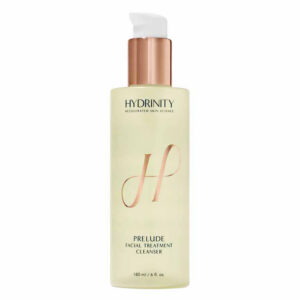
Get Top-Rated Skincare Products today by clicking on the direct link > https://www.kqzyfj.com/click-8268793-14080031
Step 3: Never Skip SPF, and How to Choose One You Will Actually Wear
Sunscreen is the product most worth protecting in your budget, and it is where the largest share of the $50 goes. Daily UV exposure adds up whether the day is sunny or cloudy, and the benefits only come if you apply it every morning. For more on protecting your skin, see the best way to prevent skin cancer.
What to look for on the label
When selecting sunscreen for your skincare routine, look for broad spectrum protection to safeguard your skin from UVA and UVB rays.
- Broad spectrum. This means it protects against both UVA and UVB rays.
- SPF 30 or higher. This is the standard recommendation for daily use.
- Water resistant, if you sweat or swim. Water resistant labels state how many minutes the protection lasts.
Choosing one you will wear
The best sunscreen is the one that feels comfortable enough that you put it on every day. Formulas differ a lot in feel:
- Mineral sunscreens use zinc oxide or titanium dioxide. They tend to suit sensitive skin but can leave a pale cast on deeper skin tones.
- Chemical sunscreens absorb into the skin and are often lighter and clearer on the face.
- Lotions, gels, fluids and sticks each feel different. Gels and fluids tend to sit better on oily skin, and creams on dry skin.
If your budget allows only one trial, choose the texture you would tolerate most on your face every morning. A sunscreen that stings your eyes or feels sticky ends up unused at the back of a drawer.
Apply a generous amount to your face and neck, and reapply roughly every two hours when you are outdoors. A thin layer protects less than the SPF number on the bottle suggests.
Morning and Evening Order: How to Use All Three
For a balanced skincare routine, apply products from thinnest to thickest.
Apply products from thinnest to thickest, and put sunscreen last in the morning so nothing covers it.
Morning
- Cleanse with lukewarm water. On days when your skin feels clean and comfortable, a rinse with water alone is also fine.
- Apply moisturizer to slightly damp skin.
- Apply sunscreen and let it settle for a minute before makeup or heading out.
Applying your skincare products consistently is crucial for seeing improvements.
Evening
- Cleanse to remove sunscreen, oil and the day’s buildup. If you wear makeup or a water resistant sunscreen, wash twice, or remove it first with a gentle oil or balm and then cleanse.
- Apply moisturizer.
That is five steps across the day, and the whole thing takes a few minutes. A routine this short is easy to keep up, and regular use matters more than product count. Give any new routine several weeks before judging the results, since skin takes time to respond.
Introducing the products safely
Start all three together only if your skin is not easily irritated. Otherwise, add one product at a time, a few days apart. Test any new product on a small patch of skin, like the inner forearm or behind the ear, before putting it on your face. If you have a persistent skin condition, such as severe acne, eczema or rosacea, check with a dermatologist before settling on a routine.
What to Skip Until Your Budget Grows (and When to Add a Serum or Treatment)
A $50 limit means leaving things out, and the following are the first to cut:
- Toners and essences. They add steps, and a gentle cleanser followed by moisturizer does the same basic work.
- Eye creams. Your facial moisturizer is usually fine around the eyes if it is fragrance-free. If you want a dedicated product later, see eye treatment cream.
- Face masks and exfoliating scrubs. These are occasional extras and not daily needs, and scrubs can irritate skin.
- Multi-step “systems” and kits. They bundle products you may not need at a price that breaks the cap.
- Anything promising instant or dramatic results. Skin changes slowly, and a product claiming otherwise deserves skepticism.
When to add something
Once you have used the three products consistently for a couple of months and your skin is calm, you can add one targeted product. Choose it based on your main concern:
After establishing a basic skincare routine, you can cautiously introduce additional products.
- Acne or clogged pores: A salicylic acid or benzoyl peroxide product. See the page on acne treatment for more.
- Uneven tone or dullness: A vitamin C or niacinamide serum.
- Early signs of aging: A retinoid, introduced slowly, a couple of nights a week to start. Our anti-aging page has more.
Add only one at a time, so if your skin reacts you know which product caused it. Many of these actives cost less than people expect when you buy the basic version and not the premium brand, and you can often afford one by saving a few dollars on each of the other three.
Your skincare routine should evolve as your skin becomes accustomed to its new products.
Make the Routine Last: How to Spot a Good Deal and Stretch Every Bottle
Staying under the cap is easier when each product lasts longer and you pay less for the next one.
Spotting a good deal
- Compare price per ounce or milliliter, not the sticker price. A larger bottle that costs a little more often costs much less per use.
- Check the ingredient list, not the front of the bottle. Words like “natural” and “dermatologist tested” are marketing claims. The ingredients tell you what is inside.
- Read reviews from people with your skin type. A rave from someone with oily skin does not tell a dry-skinned shopper much.
- Watch for sales and bundle offers, but only buy if the product is already on your list. A discount on something you did not plan to buy is still spending.
- Avoid products with a very short shelf life unless you will finish them quickly. Look for a period-after-opening symbol, a small jar icon with a number of months.

MONTBLANC – Signature Eau de Parfum
Stretching every bottle
- Use the right amount. A small amount of cleanser and moisturizer is enough. Sunscreen is the exception, and you should apply it generously.
- Close lids tightly and store products away from heat and direct sun, so they last through their full shelf life.
- Keep water out of tubs and jars. Clean, dry hands or a small spatula keep the formula from spoiling early.
- Use up what you have before restocking. Buy a replacement when you are about two weeks from empty, so you can wait for a sale and avoid running out.
Mac -Matte Lipstick (Red)
A routine of three well-chosen products, bought with a number in mind, is cheaper to maintain than a shelf of half-used bottles. You can reuse the same $47 plan each time you restock.
By sticking to a streamlined skincare routine, you can maximize both effectiveness and savings.
Ready to start? Check out the budget-friendly picks in my skincare reviews and build your routine today.
Ready to start your skincare routine? Check out the budget-friendly picks in my skincare reviews and build your routine today.


